Country: Philippines
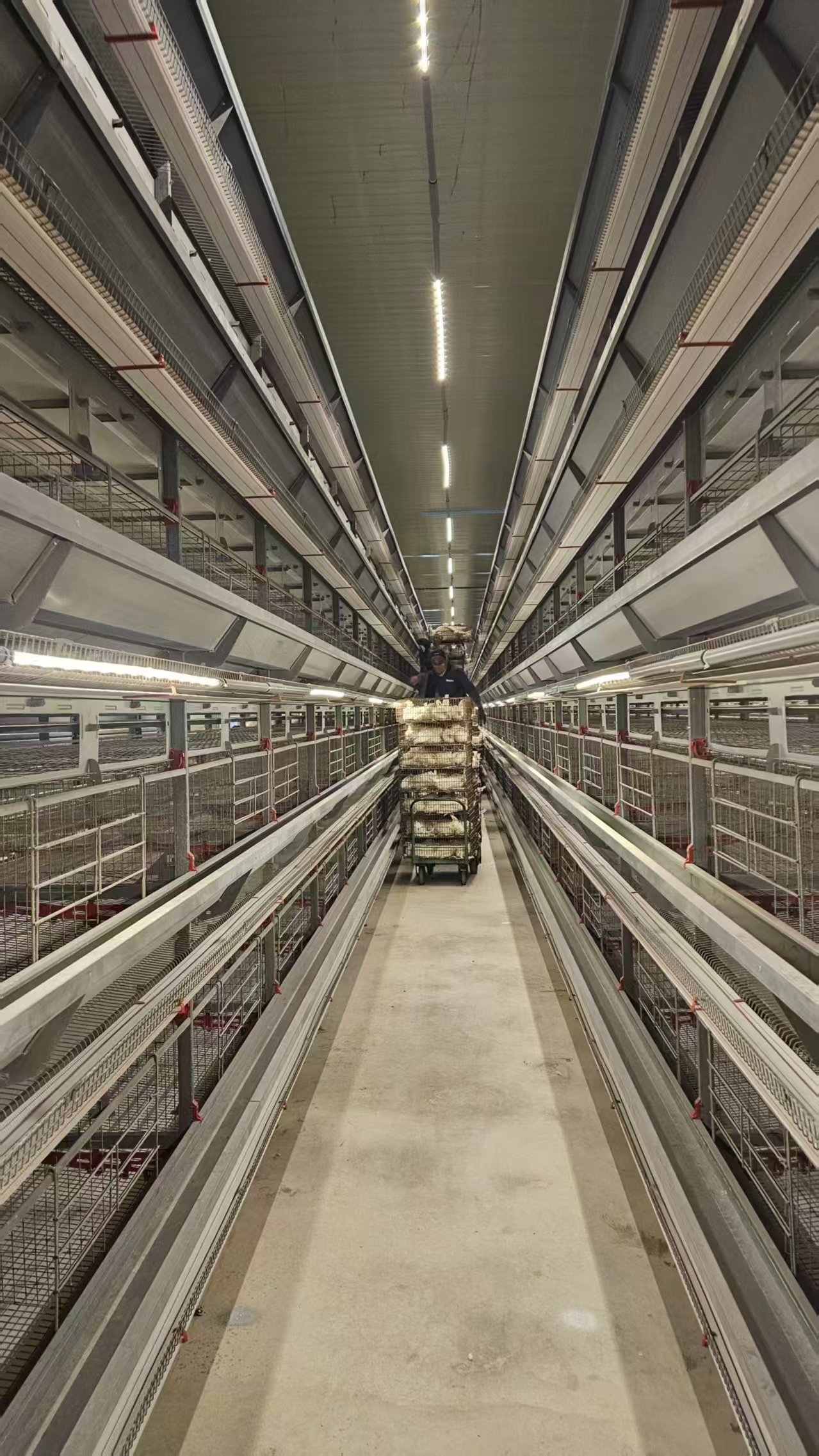
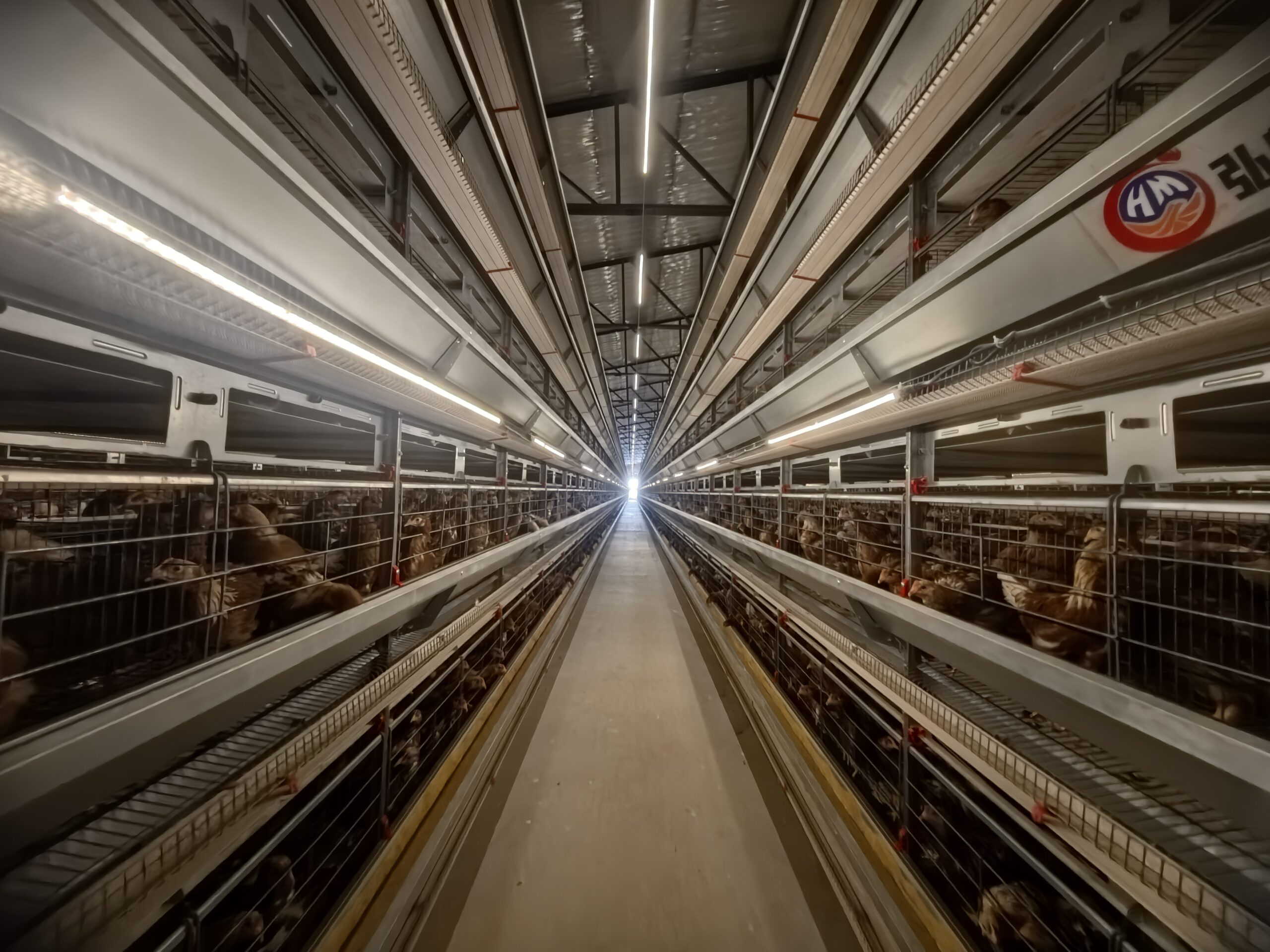
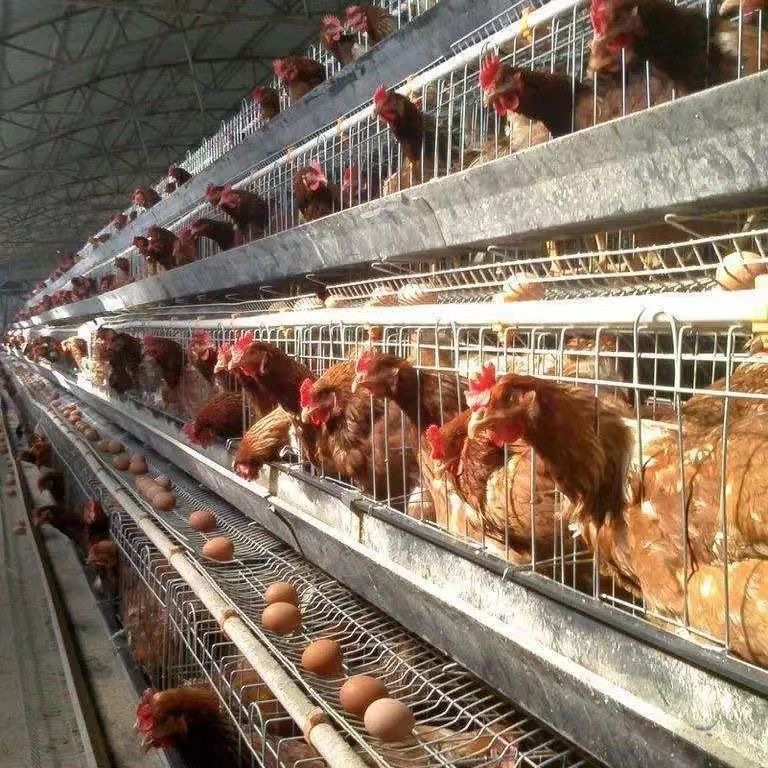
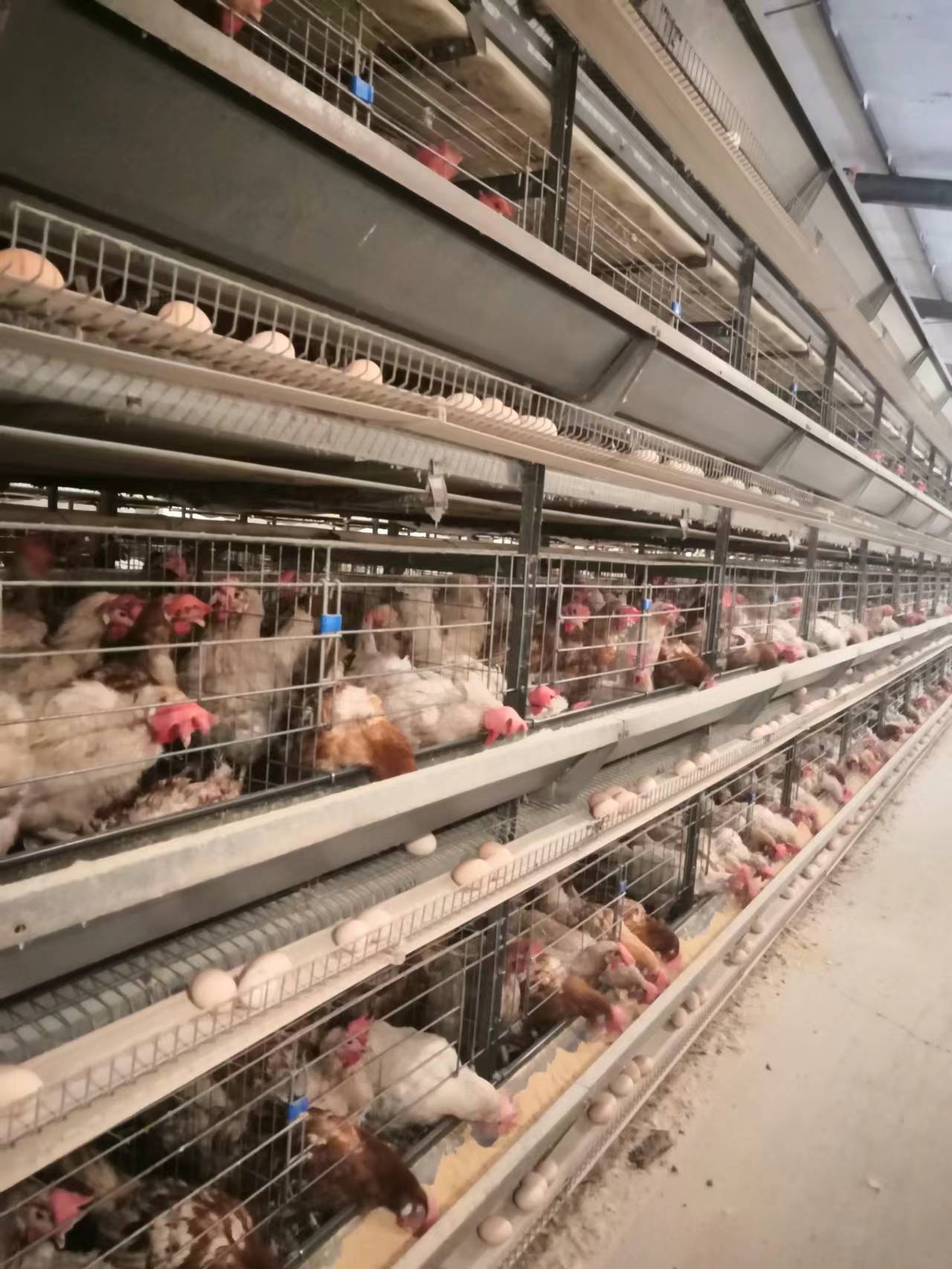
This month, we completed the delivery and installation of a modern H-type layer battery cage system for a commercial poultry farm in Luzon, the Philippines. The project consists of four rows of four-tier H-cages, housing a total of 20,000 layers, and is fully equipped with automated feeding, drinking, manure removal, and egg collection systems. The Philippines has one of the fastest-growing poultry industries in Southeast Asia, driven by increasing urbanization and a rising middle class that demands safe, affordable animal protein.
The customer is a second-generation poultry farmer who had been running a successful semi-intensive farm for over a decade. However, as land prices continued to rise and labor costs increased, he realized that upgrading to a high-density, automated H-cage system was the only way to stay competitive. After evaluating suppliers from China, Thailand, and local distributors, he chose our system based on the combination of competitive pricing, robust build quality, and our track record of completed projects across Southeast Asia.
The Philippines’ tropical climate presents unique challenges for poultry farming, including high temperatures and humidity, regular typhoon seasons, and the risk of avian influenza. Our H-type cages are engineered with excellent ventilation design, allowing proper airflow between each tier and ensuring a comfortable microenvironment for the birds. The deep manure trough design also helps separate the birds from waste, reducing disease incidence and ammonia buildup. The entire cage structure is made from high-quality Q235 galvanized steel, with a zinc coating thickness of 275g/m² to resist corrosion from the humid coastal air.
The farm owner specifically requested a system that could scale with his growing operation. Our modular H-cage design allows easy expansion in the future — additional tiers or rows can be added without replacing the existing infrastructure, which was a major deciding factor for him. We also provided a detailed operation manual in both English and Tagalog, along with a video training series, to ensure smooth day-to-day management by his local workforce. Our after-sales team remains on call 24/7 for any technical inquiries.
Since commissioning, the farm has reported excellent results. The automated system has reduced daily labor requirements from 8 workers down to just 3, while egg production efficiency has improved by nearly 20%. The customer is now planning a second phase expansion of another 30,000 layers next year, and has referred us to three neighboring farmers who are also interested in upgrading their operations. We are proud to contribute to the modernization of the Philippine poultry industry.